

Secure Payment Solutions for Your Travel Adventures
Planning a vacation involves numerous decisions, from choosing destinations to booking accommodations and activities. However, one of the most critical aspects travelers often overlook is selecting the right payment method. The way you pay for travel services can significantly impact your financial security, reward accumulation, and overall trip experience. The same thing applies to online casino skrill users when they opt for the best payment method. Understanding which options offer the best protection and convenience will help you navigate the booking process with confidence.
Traditional and Digital Payment Methods for Travelers
Credit cards remain the gold standard for travel purchases due to their robust consumer protections and dispute resolution processes. Major card networks provide automatic travel insurance benefits, including trip cancellation coverage, lost luggage reimbursement, and emergency medical assistance. These built-in safeguards offer peace of mind that few other payment methods can match. Additionally, credit cards typically don’t charge foreign transaction fees on premium travel cards, making them economical for international purchases.
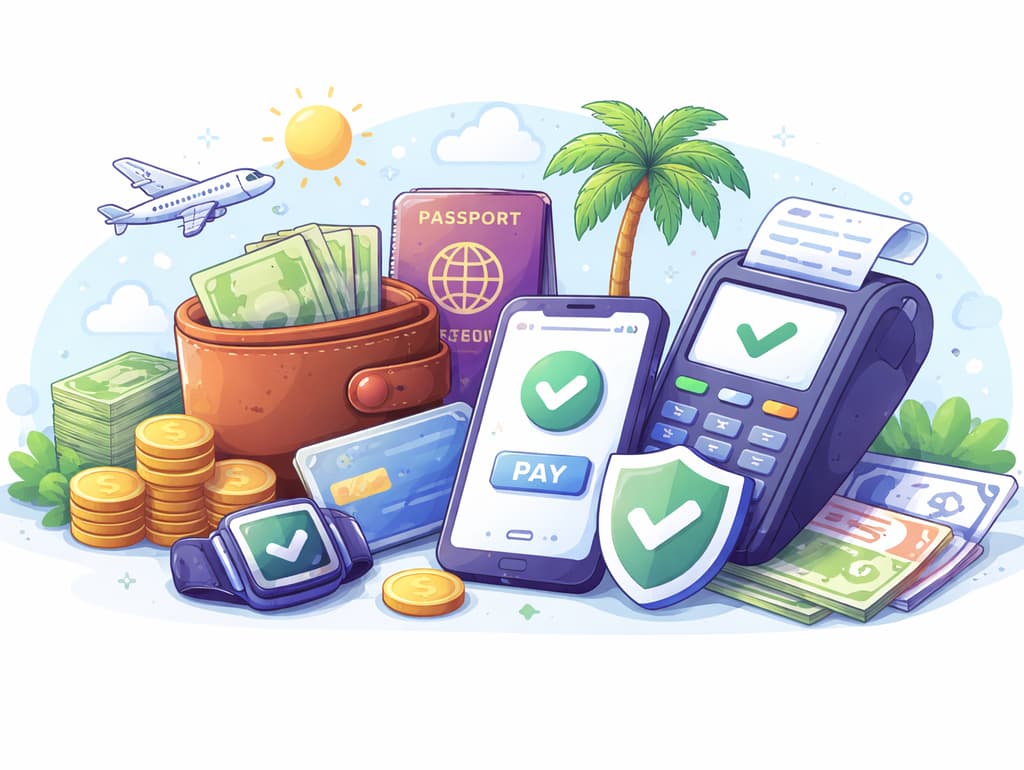
Debit cards present a more budget-conscious alternative, though they lack the comprehensive protections that credit cards provide. When using debit cards for travel bookings, funds are immediately withdrawn from your account, which can complicate dispute processes if issues arise. Many travelers prefer keeping debit cards as backup options rather than primary payment methods for significant travel expenses.
Digital wallets have revolutionized how we pay for services across industries. Platforms like PayPal, Apple Pay, and Google Pay offer encrypted transactions that keep your financial information private from merchants. These services act as intermediaries, adding an extra security layer between your bank account and travel providers.
Bank transfers and wire payments work well for large bookings such as luxury vacation packages or extended stays. While these methods are secure, they typically lack the chargeback protections that credit cards offer. Travel agencies and tour operators often prefer bank transfers for high-value reservations because they guarantee payment without processing fees eating into their margins.
Maximizing Security and Rewards When Booking Travel
Smart travelers layer their payment strategies to maximize both security and benefits. Using credit cards with travel rewards programs can earn points or miles that fund future adventures. Many premium travel cards offer bonus categories for airline tickets, hotel stays, and restaurant purchases, accelerating your rewards accumulation. Some cards even provide complimentary airport lounge access and priority boarding privileges.
Virtual card numbers add another security dimension to online bookings. Several banks and credit card companies now offer temporary card numbers that link to your main account but expire after single use or within a set timeframe. This feature proves invaluable when booking through unfamiliar travel websites or third-party aggregators, as it prevents your actual card details from being stored in potentially vulnerable databases.
Payment timing also matters for travel purchases. Booking flights and hotels during promotional periods can yield substantial savings, but you should verify the cancellation and refund policies before committing. Some discounted rates come with strict no-refund clauses, making travel insurance an essential consideration. Purchasing trip protection through your credit card or a specialized insurance provider can recover costs if unexpected circumstances force you to cancel.
Understanding Payment Protection and Dispute Resolution
When travel plans go awry, having the right payment method can mean the difference between losing your money and recovering your costs. Credit card chargebacks provide a powerful mechanism for disputing unauthorized charges or services not rendered as promised. If an airline goes bankrupt before your scheduled flight or a hotel fails to honor your reservation, credit card companies typically allow disputes within 60 to 120 days of the transaction date.
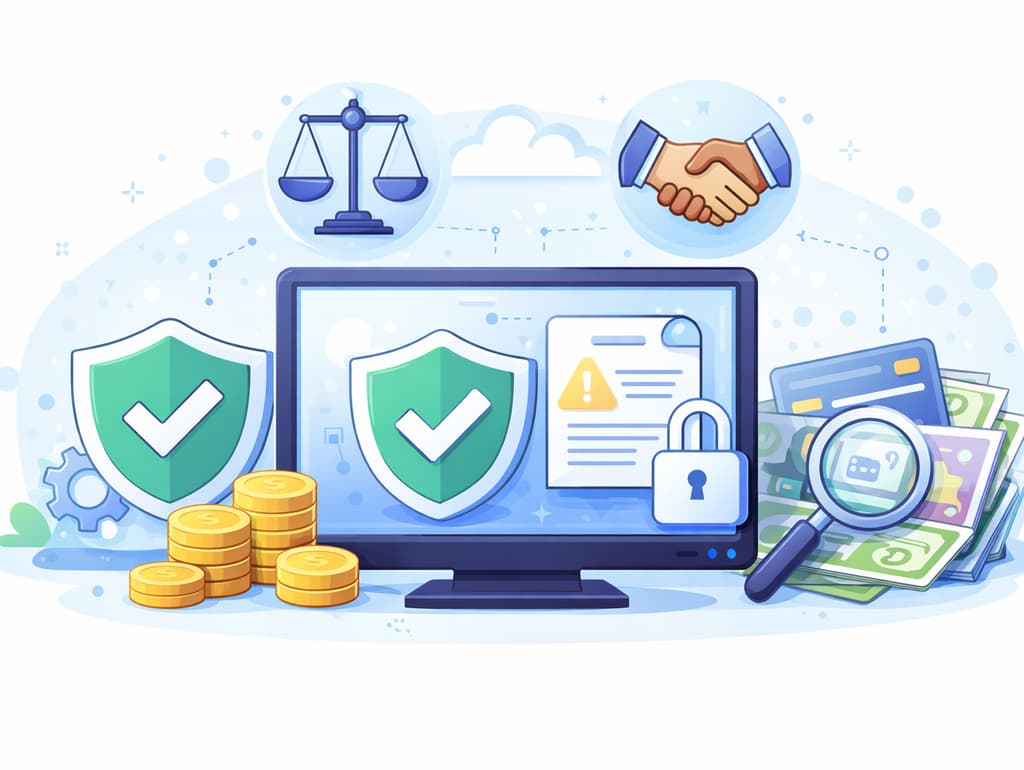
Documentation becomes crucial when filing payment disputes. Save all confirmation emails, booking receipts, and communication with travel providers. Screenshots of advertised services and cancellation policies strengthen your case if the provider changes terms or fails to deliver. Many travelers photograph or digitally scan important documents before trips, storing them in cloud services for easy access regardless of location.
Consumer protection laws vary by country and payment method. European travelers benefit from strong regulatory frameworks that mandate refunds for canceled flights and package holidays. Understanding your rights based on where you book and which payment method you use helps set realistic expectations. Some payment platforms offer buyer protection programs that extend beyond standard credit card benefits, covering scenarios like significantly misrepresented accommodations or tour operators failing to provide booked services.
Currency Conversion and International Transaction Strategies
Currency conversion deserves special attention for international travel. Many payment processors offer dynamic currency conversion at the point of sale, but their exchange rates typically include hidden markups. Savvy travelers decline this option and allow their credit card companies to handle conversion, which usually provides more favorable rates. Alternatively, obtaining some local currency before departure or withdrawing from ATMs abroad often yields better value than airport exchange kiosks.
The rise of peer-to-peer payment apps has made splitting travel costs with companions more convenient than ever. Services like Venmo, Zelle, and Cash App enable quick reimbursements for shared expenses such as group dinners, rental cars, or accommodation. However, these platforms lack the consumer protections of traditional payment methods, so they’re best reserved for transactions between people you trust rather than paying travel vendors directly.
Protecting your payment information while traveling requires vigilance. Use secure internet connections when booking online, avoiding public Wi-Fi networks for financial transactions. Enable transaction alerts through your bank or card issuer to monitor purchases in real time. Keep digital and physical copies of your payment cards separate, and know the international contact numbers for your financial institutions in case cards need immediate cancellation.